Family History in Sydney, NSW
Fourth great grandfather
Patrick Duffy was born in Sligo, Ireland in 1786. He worked as a labourer until 1805 when he enlisted in the British Army 3rd Regiment of Foot (known as the Buffs). At the time of his enlistment in Sligo, for “unlimited service”, he was aged 19 and, at six feet, he was unusually tall, towering over most of his peers.
During service, Private Duffy travelled to many countries across Europe and saw action numerous times. In 1810, during leave back in Sligo, he married a local girl, Bridget Conlan.
After his marriage Patrick returned to his regiment and fought in the Peninsula War, in Spain, where he was wounded in the left thigh by a musket ball in May 1811. In that fierce battle he was described as a brave soldier.
Duffy recovered and by 1814, he had been promoted to corporal and was fighting in the closing stages of the Peninsula War, in the south-east of France. He was wounded again by a musket ball, this time in the right thigh. Patrick had his wife with him during this campaign, as was common at the time, and Bridget helped nurse him during his recovery.
In July 1822, Patrick Duffy (36), who had been promoted to the rank of sergeant, departed Kent, England, on the convict transport ship, Eliza, bound for Sydney with 160 prisoners. Sergeant Duffy’s wife Bridget (34) and their three sons also travelled with him on the Eliza.
Patrick Duffy was a diligent soldier and when he arrived in the colony he became a district constable at Barren Ridges, Field of Mars (near modern day Ryde). He also spent time serving in regiments at both Liverpool and Hobart. In July 1828, he was appointed to the important role of “Superintendent of the convict barracks at Parramatta.”
In February 1830, at the age of 44, Duffy retired. He was on a military pension of 1 shilling and ten pence daily, the rate for a sergeant. At that time Duffy successfully applied to Governor Darling for a land grant and was given 100 acres in “South Colah”, in modern day Thornleigh and Westleigh. There he began to cultivate the land and construct a residence for his family.
The retired soldier divided his land amongst his children (ultimately 4 sons & 3 daughters) and he called his own property INGLEWOOD, named after a place in his native Ireland. He also formed a roadway which he named Duffy’s Lane, this went on to become Duffy Avenue and is one of the district’s oldest roads.

Patrick and Bridget Duffy were devoted Catholics and died just two months apart in 1854. They are buried together in St Patrick’s Cemetery, North Parramatta. By giving his children each a portion of his land, it ensured they stayed in the area and many of their descendants are still living locally in the Hornsby district.
The eldest son William Duffy (b. 1811 - 1885), was born in Portugal when his father was serving there. Together with his brother Peter, they helped clear his father’s land sold the valuable timber and established orchards. William continued to live on the portion of the family property that was given to him, and he became a sawyer. In 1833, he married Margaret Stanton who was just thirteen years old at the time. Together they had four sons and two daughters. When Margaret died, William married a second time to Catherine Bartlett, and they had two daughters together.
Peter Joseph Duffy (b.1814 - 1878), was born in England. He also became a sawyer and initially worked a portion of the family’s land. In 1857 he received a grant of 100 acres in an area that would later be named after him, Duffys Forest. He built a road down to Cowan Creek, where he constructed a stone and timber wharf. Using these facilities Duffy and his associates of Duffy and Mitchell, Timber Dealers (based at Market Street Wharf in Sydney), removed timber from his land and transported it via barge along Cowan Creek and on to Sydney.
John Duffy - my third great grandfather
John Duffy (b. 1817 – 1894) was born at sea, off the coast of France. He established and managed an orchard on the family land. He later went off to the Ophir diggings during the Gold Rush period, before returning to orcharding at Thornleigh. He married Charlotte Scott, in 1840, when she was 16, and together they had 10 sons and 6 daughters. Charlotte was the half-sister to William Pollard, who married her husband’s, youngest sister, Mary Duffy. John and Charlotte raised their family in “Rose Cottage” which was situated on the north side of Duffy Lane. John Duffy was a highly respected and great contributor to the Thornleigh community over many years and helped deliver facilities such as the local cricket club, the public school and the Thornleigh School of Arts building.

Ester Duffy (b. 1823 - 1841) lived with the family at Thornleigh and died at eighteen years of age.
Patrick and Bridget Duffy’s fourth son, Patrick Michael Duffy (b. 1825 - 1897) was born in Hobart. He became an orange orchardist at Thornleigh and married Agnes Gogerly (1835 – 1919) of Dural. Together they had 12 sons and a daughter and stayed in the Thornleigh district. There Patrick Duffy Junior died at his residence on Duffy’s Lane.
Elizabeth Duffy (b. 1828 - 1880) married John Stanton in 1846. Stanton was the younger brother of William Duffy’s wife. They farmed a portion of the Thornleigh land on the original grant given to Elizabeth’s father. The Stantons raised a large family of 12 sons and 3 daughters.
The youngest Duffy child, Mary (b.1830 - 1864), married a local man, William Pollard and they established an orchard on the Duffy’s land at Thornleigh. The couple did not have any children and Mary died in 1864, aged just 34. William continued on the Thornleigh orchard and remarried and had two daughters and three sons with his second wife. Many of Pollard’s descendants also still live in the local district.
Warringah Shire Mayor - John Frederick Duffy (1863-1950) my second great grandfather
My second great grandfather John Duffy was the mayor (then called president) and served in the first Warringhah shire council from 1906, he was re-elected in 1908, 1911, 1914 and 1917 his photo resides on the walls of the Warringah shire council building today. He married Sarah Martha Horn at Waterloo in 1894. John and Sarah had a son John Fredrick who served in WWI and a daughter Elvy Margaret Duffy (my great grandmother) (1896-1981).


Sarah Duffy (My Nan's grandmother), Jack Duffy, Elvy Duffy (My Nan's Mother) and John F Duffy (Nan's grandfather).
Mona Vale Orchard
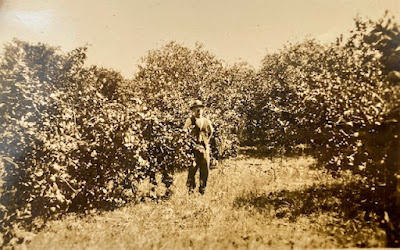
He was also an orchardist at Mona Vale. Family photos of John Duffy at his orchard.



Elvy Margaret Hope Duffy (daughter of John Frederick Duffy above and my great grandmother)


Patrick Duffy - Duffy's Forest (suburb in the Northern Beaches)

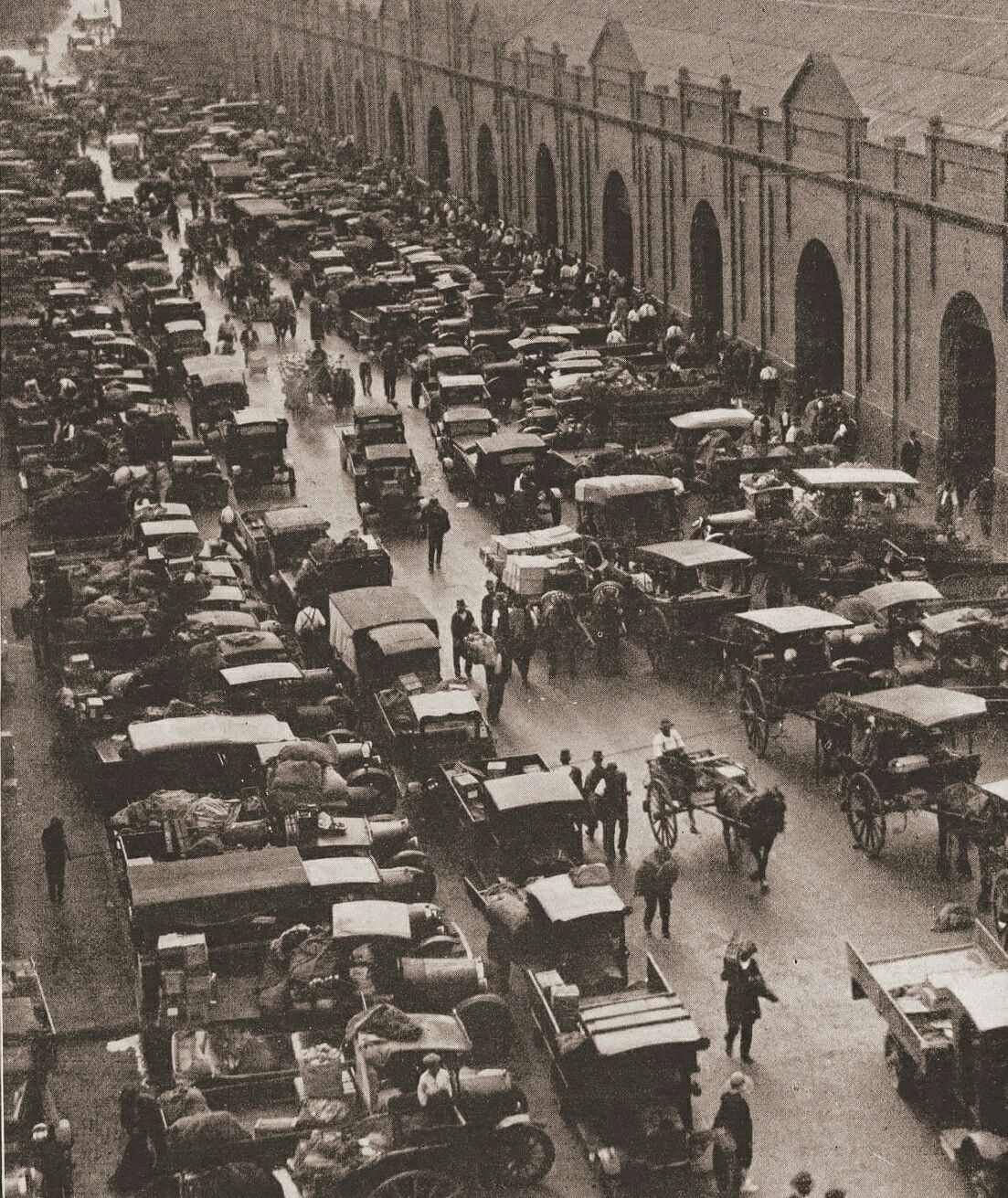
Paddy's Markets, Sydney City (1930s-1990s)


Elvy Byrne at her sock market.
My great great grandmother Sarah Horn? (b.1870) worked at Paddy's marketing selling flowers approx dates (?).
My grandmother, Elvy Margaret Clegg (1936) also worked at Paddy's Markets from 1970 to 1993 selling socks, she is featuring above in the The Sydney Markets hard cover book.
William Horn
William Louis Ebradt Horn
1833–1907. 3rd great grandfather. Perhaps was spelt Wilhem or Wilhelm when in Germany. When William Louis Ebradt Horn was born in 1833, his father, Charles, was 18 and his mother, Agnes, was 18 in Stetten, Germany. He immigrated to Sydney in 1858 (age 25) as a master mariner, and married at age 32 to Martha Cheetham on 4 December 1865 in Sydney. They had 12 children in 21 years (from ages 33 to 55). Hi wife Martha died at age 46 when their youngest daughter was 3. William died on 6 October 1907 in Waterloo, New South Wales, at the age of 74, and was buried in New South Wales.
His story.
1833–1907. 3rd great grandfather.
His address was always 1 Union Street, Waterloo. I would like to see a photo of the original residence if anyone can source this.


Petrol Station, Dee Why
My grandfather and grandmother owned the petrol station at approximately 22 Fisher Road Dee Why in the 1960s and 1970s(?). My father Stephen Wilson worked there for a short time after he met my mother. At the same time my grandmother also ran a seamstress business from home sewing underwear. My grandfather was then the manager of Life line for many years in his senior years.
My grandfather's (John Byrne) chair, (name) beach, Narrabeen
John Gordon Byrne (1932) passed away in 2013, and his children built him this chair in memorial.
(photo to come).
(photo to come).
Dee Why Today (2022)
My grandmother still lives at Dee Why and is very much a local with a story in nearly every street.
My two uncles also live at Mona Vale and Dee Why.
My two uncles also live at Mona Vale and Dee Why.


(My Nanna and I, Winter 2022)


Comments